
Is it ok to ignore a journalist?
Is it okay to ignore a journalist? Now, this idea was prompted by a LinkedIn post I read recently by a comms professional and this guy, let's call him Dave, had really got his pants in a bunch over this topic. He said he'd been involved in the final stages of a big business deal with a tech company. Someone had leaked the deal before it had been signed, and to get to the point, a journalist had called and said,
“I need you to confirm or deny this story by my deadline.”
And that had sent him into a complete tailspin. Now, it always baffles me how panicky people get when they're approached by journalists.
Journalists are not the police
Let's get something straight. Journalists are not the police. A flash of a press pass does not mean you need to spill your guts and tell them everything you know. Journalists are just nosey members of the public. And I know because I used to be one.
Yes, they sometimes get granted special access by the police courts in politics, for example, but they are no different to you and I, and they can't command you to say anything. So our example, Dave, who actually went on to say that he'd been told by his boss to lie to the reporter, need not have said anything at all. He could have just ignored that pushy, “Confirm or deny by my deadline” request.
The reason being, it was a commercially private deal at a sensitive point. Neither business was in the public sector. Neither was it government-owned. There was no public interest and no public right to know. In fact, if there were businesses with shareholders, there would be rules to say nothing until shareholders and the stock market had been informed first.
“Confirm or deny the story by my deadline”
But what about this confirm or deny question? Well, who cares? The fact is, there is another option. Confirm, deny or just ignore. Say nothing. Journalists will always attempt to source stories that have come to them as rumors.
If you don't want to, it's not your job to stand the story up. Just say nothing. All they can then say in the media is,
“We asked for a comment, and they didn't supply one.”And let's face it, you hear that all the time.
More media training guides and podcasts
Is it ok to ignore a journalist?
Building your personal brand so journalists find you first
Media interview quick-start guide
Media training book
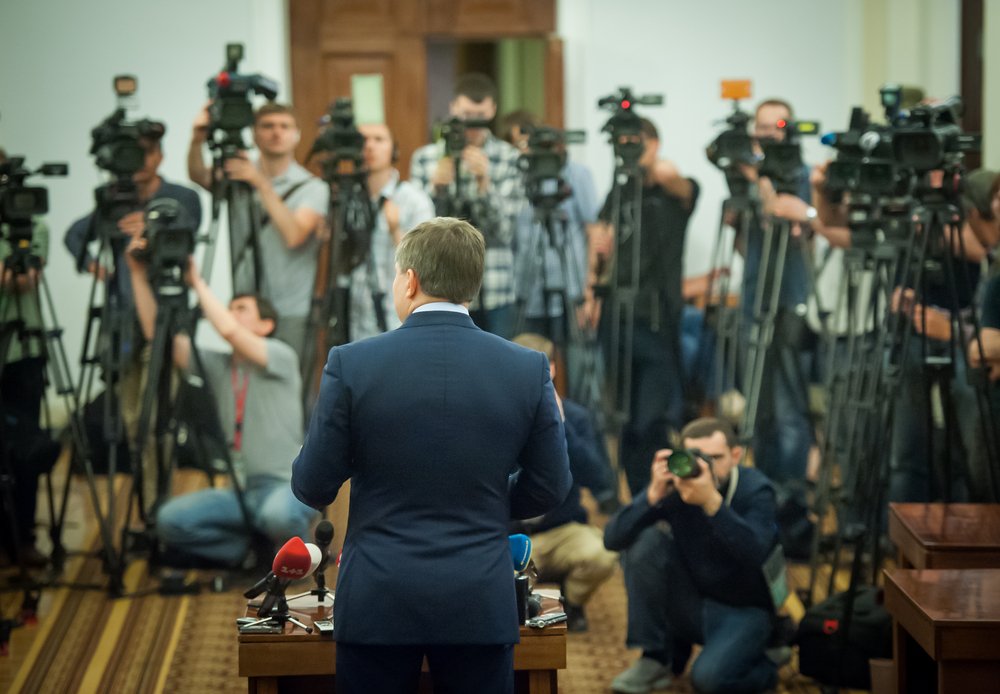
How to hold a press conference
Time for a media training refresher?
How to get your boss on board with media appearances

Is it okay to say “I don’t know” in a media interview?
Why should you avoid repeating negative questions in media interviews?

How to look and sound relaxed in a media interview, performance tips
Mastering profile interviews in the media
Media appearances, the unwritten rules

Public apologies, how to say sorry in the media and mean it

Why off-the-record journalism is riskier than you think
There's no need to answer anything if it would land you in legal hot water
So, in summary, there's no need to answer anything if it would land you in legal hot water. If it's confidential, commercially sensitive or under investigation, then no one expects you to comment. You're allowed to ignore the question and perhaps stick to a safe line. This isn't being evasive, it's being sensible.
Okay, are we all feeling a little better about ignoring journalists? Good. Let's look at four more ideas to help you ignore reporters:
1. When the question is based on something that simply isn't true.
Number one, when the question is based on something that simply isn't true. If a reporter comes to you asking, “Why are you making five hundred people redundant next month?” And you're thinking, “What on earth is this person talking about?” You don't have to play along. If the premise is false, you can completely ignore it.
In this case, it would probably make more sense to reply with something more accurate.
If you are in the mood, create a heavily PR based example,
“Blogs widgets is proud to continue supporting the community, and we're proud to make our (product name blah blah blah PR, PR, PR.)”
Don't repeat the negative. For example, don't say, “We are not making five hundred people redundant.” And for the reason for this, listen to my episode Why you should avoid repeating negative questions in the media.
2. You don't need to answer when it's outside your remit
Now, number two, you don't need to answer when it's outside your remit. For example, if you are the operations director of a housing association and someone asks you for your opinion on the Chancellor's budget, you're well within your rights to ignore the question or ignore them altogether. It's not your job to guess, speculate, or speak for other people.
You don't need to apologise for sticking to what you actually know. Of course, if you're not part of the story, but you are an expert in the field, (you do know about the Chancellor's budget.) Then you could share your opinion and your expertise.
3. You can ignore journalists when they're trying to get you to speculate
Number three, you can ignore journalists when they're trying to get you to speculate. So you might be asked, “If this goes wrong, how many people could be affected?”
No idea? And even if you did have an idea, speculating is how headlines like, ”Organisation fears worst case scenario” stories are born.
Ignore the hypothetical and bring it back to what's real.
4.When the question is designed to provoke, not inform
And finally, number four, when the question is designed to provoke, not inform. You might get something like this.
“Why have you failed to get a grip on this mess?” You see this all the time in footage at 10 Downing Street on the news. A politician will leave and some wag of a reporter will shout, “Are you planning to resign?” No answer.
Again, listen to my episode Why do reporters shout questions for more on this? This sort of behaviour is not a question; it's bait. You don't have to rise to it. Ignore the framing. Ignore the heat. Grown-ups stay calm.
So there you have it. The perfectly legitimate moments when ignoring a journalist isn't rude or cowardly or unprofessional. It's just good sense.
Now, do you need help with media training, coaching, or help with your organisation to improve strategic communication and confidence skills?
Drop me an email hello@bitfamous.co.uk
Thanks for listening.
Is it ok to ignore a journalist?
Building your personal brand so journalists find you first
Media interview quick-start guide
Media training book
How to hold a press conference
Time for a media training refresher?
How to get your boss on board with media appearances
Is it okay to say “I don’t know” in a media interview?
Why should you avoid repeating negative questions in media interviews?
How to look and sound relaxed in a media interview, performance tips
Mastering profile interviews in the media
Media appearances, the unwritten rules
Public apologies, how to say sorry in the media and mean it
Why off-the-record journalism is riskier than you think

What are key messages in the media?
Give your leader feedback after a media interview
Why avoid corporate speak and office jargon in media interviews?
Media interview preparation checklist

How to create a founders’ origin story
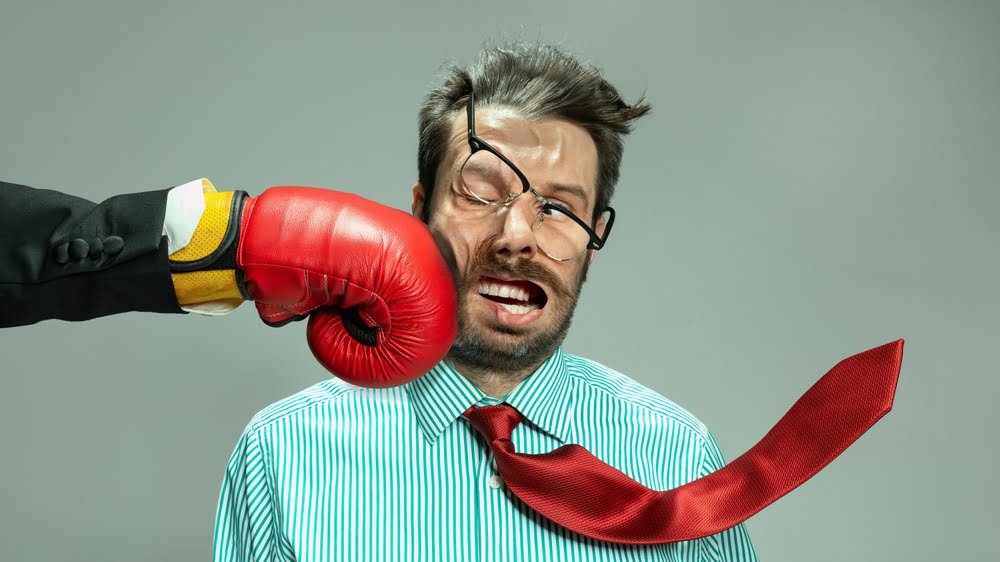
How to answer hostile or negative questions from a journalist

How to be authentic in a media interview

Crisis Management: How to write a holding statement
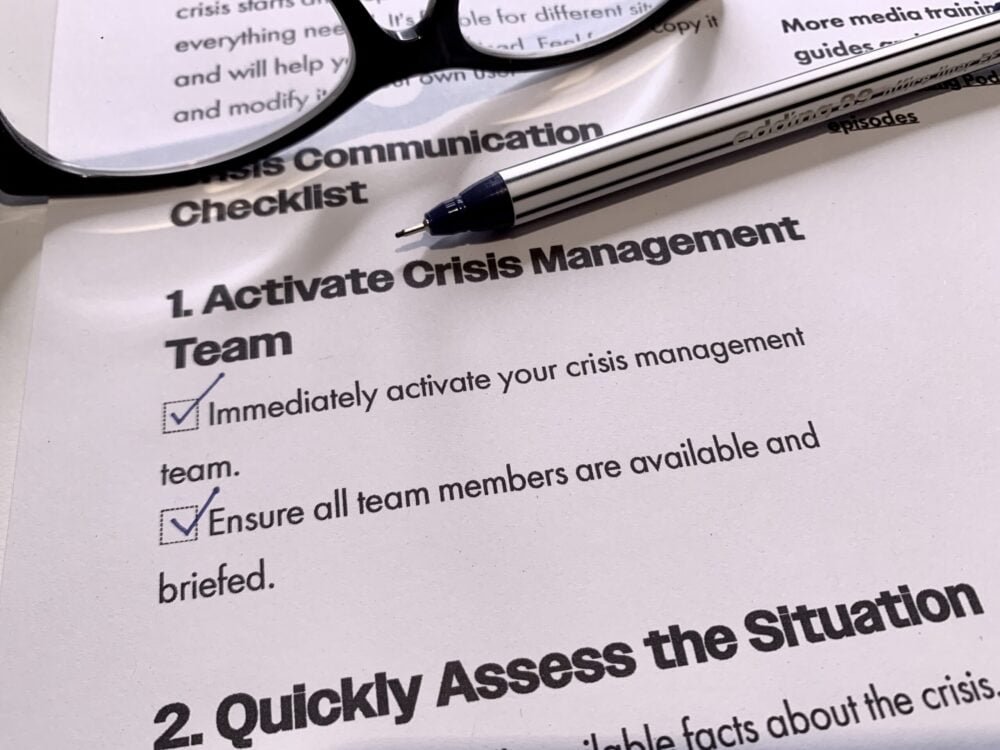
Crisis communications checklist
How to create a successful media soundbite
Free press release template (Word)
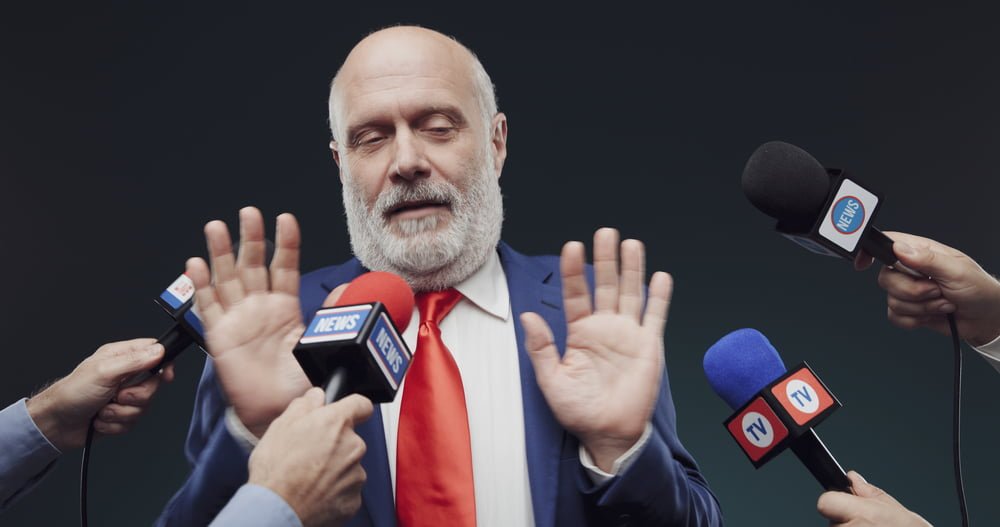
How do you handle a media question you don’t want to answer?
How to use #JournoRequest to get media attention for my business

How do I prepare for a TV interview online using Zoom, Teams or Skype?

How to appear on a business podcast

How to handle a difficult media interview
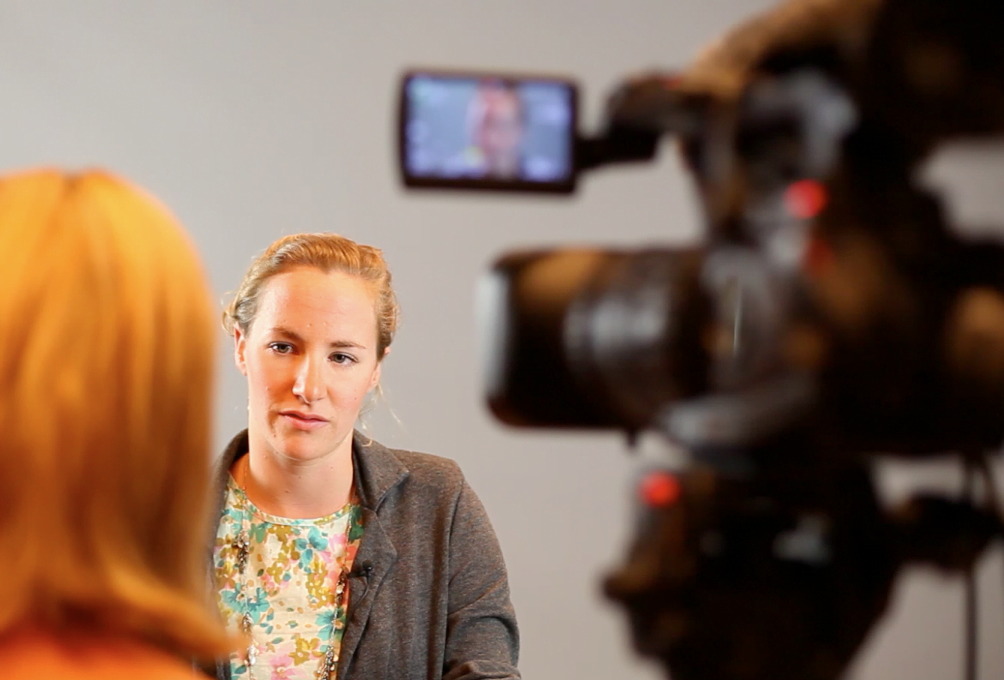
How to get featured in the media